
On the morning of August 4, 2024, Graham Thorpe, the former England batsman and revered batting coach, was struck by a train at a railway station in Surrey. He was 55. The coroner’s inquest, held at the Surrey Coroner’s Court in Woking, concluded his death was suicide — but not just a tragic personal act. Coroner Jonathan Stevens found failings in the care provided to Thorpe in the months before his death. And those failings, as his widow Amanda Thorpe testified, weren’t just medical — they were systemic, emotional, and deeply tied to his abrupt dismissal from the England and Wales Cricket Board (ECB) in 2022.
The End of a Quiet Descent
Graham Thorpe wasn’t just a player. He was the man who scored a century on his first Ashes appearance in 1993 — the first England batter to do so in two decades. Later, as batting coach, he helped shape the technique of a generation. But behind the calm demeanor and quiet professionalism was a man wrestling with demons. Diagnosed with anxiety and depression in 2018, Thorpe attempted suicide in May 2022. He spent eight weeks in hospital, including time in intensive care. "He never really recovered," his wife Amanda told the court. "It was like a part of him died that day." Then came the Ashes tour in Australia, 2021-22. England lost 4-0. In the aftermath, a video surfaced — leaked, unapproved — showing Thorpe and other players, including Australian cricketers, in a late-night drinking session broken up by Tasmanian police. "It was blown out of all proportion," Amanda said. "He came back from Australia in a terrible state — the video, the environment, the set-up. He was already fragile. Then they fired him." The termination came in late 2022. No formal reason was given. But Amanda Thorpe was blunt: "It was the start of the decline of his mental health. It was a real shock to Graham."When the System Failed
In the 18 months between his dismissal and death, Thorpe saw healthcare professionals only intermittently. The last in-person consultation was on March 26, 2024 — just 100 days before his death. He was prescribed medication, referred for therapy, but never escalated to crisis care. Even after he told Amanda he wanted "help to end his life" in the weeks before he died, medical staff didn’t classify him as a crisis case. Dr. Burgul, involved in his care, said that without "active intent" or a "specific plan," a two-week wait for an appointment was appropriate. That logic stunned Amanda. "He wasn’t screaming for help," she said. "He was quiet. He stopped eating. He stopped talking. He’d sit in the garden for hours. He’d look at our daughters and say, ‘I’m sorry.’ That’s not someone who’s just anxious — that’s someone who’s drowning." The ECB’s representative, Professor Pierce, told the inquest that "at no point during Graham’s time at the ECB had there been any concern regarding a risk of self-harm." But the board knew about the 2022 suicide attempt — and still approved his termination. They later offered to cover treatment costs, but only after the damage was done.What Was Lost
Thorpe’s family didn’t just lose a husband and father. They lost the man who once taught his daughters to play cricket in the backyard, who could make anyone laugh with his dry wit, who loved classic rock and Sunday roast dinners. "He was not the same person," Amanda said. "It was strange to see this person trapped in the body of dad." She described his final months: silent, withdrawn, avoiding mirrors. He stopped answering calls. He stopped reading the news. "He believed we’d be better off without him," she said, voice breaking. "And we are devastated he believed it." The coroner’s conclusion — "failings in care" — is a quiet indictment. It’s not about malice. It’s about inertia. About systems designed for acute crises, not slow, silent unraveling. About a high-profile athlete being dismissed as a "business decision," while his mental health spiraled without proper intervention.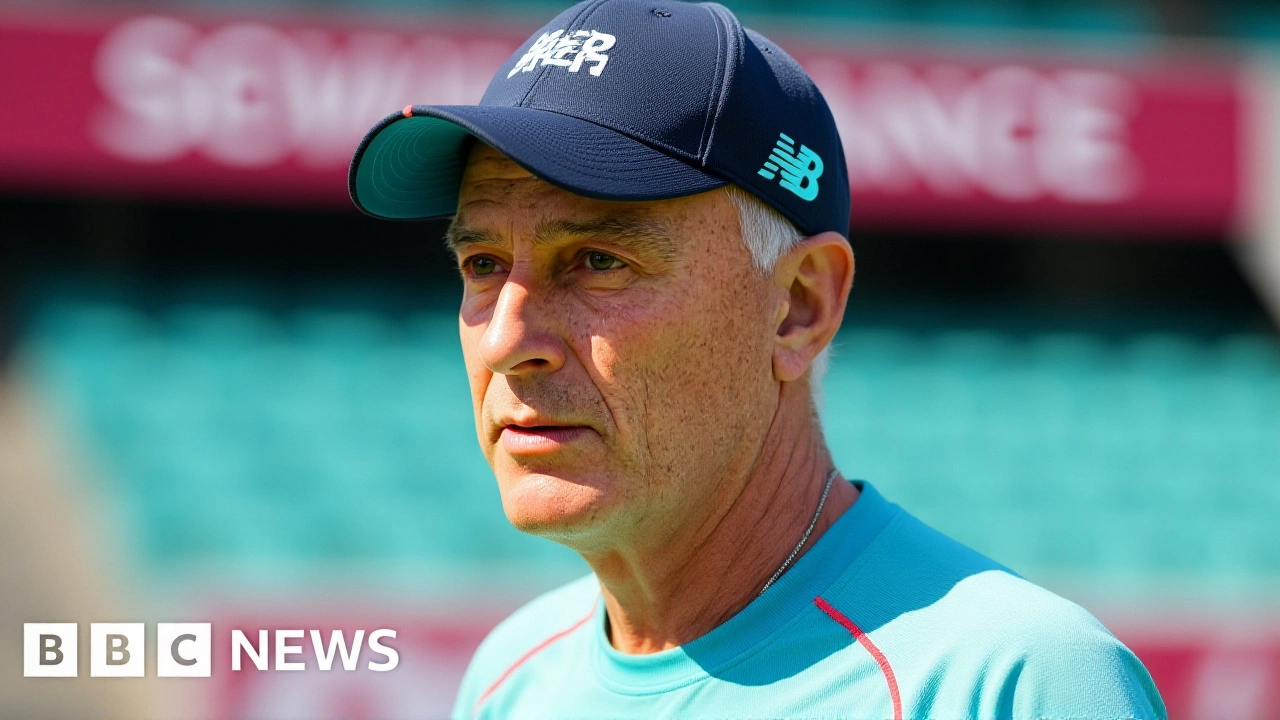
What This Means for Cricket — and Beyond
This isn’t an isolated case. In 2021, Australian cricketer Phillip Hughes died after a bat strike. In 2023, former England spinner Monty Panesar spoke openly about his battle with depression after leaving the game. Yet, cricket’s culture still leans on stoicism. "Get on with it" is a familiar refrain in dressing rooms. Mental health support often feels like an afterthought — something for "when things get bad," not something woven into daily structure. Thorpe’s case forces a reckoning. Should elite athletes be treated like machines — performance metrics, contracts, terminations — while their inner lives are ignored? Should a coach be let go after a public scandal, without a safety net? Should healthcare professionals wait for someone to say "I’m going to kill myself" before acting? The ECB has said it will review its mental health protocols. But reviews don’t bring back the dead. What’s needed is culture change — proactive, continuous, and unapologetically human.What’s Next?
Amanda Thorpe has called for an independent inquiry into how the ECB handles mental health and employment decisions. She wants mandatory psychological assessments for coaches and staff after public incidents. She wants the cricketing world to stop treating mental health as a private matter — and start treating it as a duty of care. The Surrey Coroner’s Court has referred its findings to the Health and Safety Executive. There may be regulatory consequences. But for now, the biggest question remains: How many more Graham Thorpes are out there — quietly breaking, waiting for someone to notice?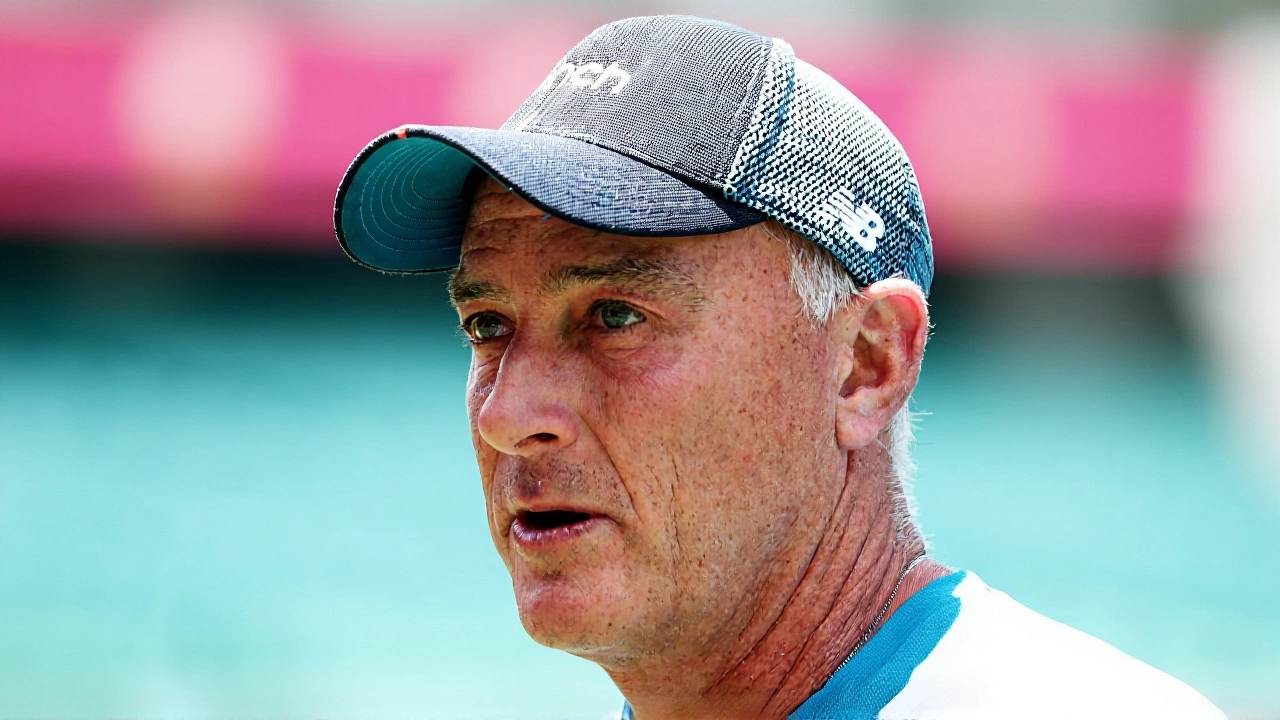
Background: The Rise and Fall of a Gentleman Cricketer
Graham Thorpe played 58 Test matches for England between 1993 and 2005. Known for his elegant cover drives and unflappable temperament, he was considered one of England’s most technically sound batsmen. After retiring, he transitioned into coaching, helping players like Alastair Cook and Joe Root refine their technique. He was widely respected — not for loud charisma, but for his integrity and quiet wisdom. His 2022 dismissal came after the Ashes tour scandal. The ECB claimed it was a "restructuring," but insiders say the leaked video — which showed players drinking and laughing in a moment of collective grief — embarrassed the board. Thorpe, as a senior coach, was held accountable. No formal investigation was held. No counseling offered. Just a letter.Frequently Asked Questions
How did the ECB respond to Graham Thorpe’s mental health struggles before his death?
The ECB was aware of Thorpe’s 2022 suicide attempt and even agreed to fund his hospital treatment. But they did not provide ongoing mental health support or reassess his role after the incident. His termination in late 2022 — without psychological evaluation or transitional support — was treated as an administrative decision, not a human one. The board has since pledged to review its protocols, but no formal changes have been implemented yet.
Why wasn’t Graham Thorpe classified as a crisis case despite expressing suicidal thoughts?
Healthcare professionals relied on outdated risk-assessment models that require explicit statements of intent — like "I’m going to kill myself" — before escalating care. Thorpe never said those exact words. Instead, he withdrew, stopped eating, and asked his wife for "help to end his life" in vague terms. That wasn’t deemed sufficient for emergency intervention, exposing a critical flaw in how mental health crises are identified in non-acute settings.
What impact did the leaked Ashes video have on Thorpe’s mental state?
The leaked video, showing Thorpe in a private moment after England’s 4-0 Ashes loss, was sensationalized by media and led to public shaming. Amanda Thorpe described it as a "horrible" period that eroded his sense of dignity. For a man who valued privacy and professionalism, the exposure — coupled with his team’s failure — triggered deep shame. It wasn’t the act itself, but the public fallout and lack of institutional support that devastated him.
Are other former cricketers speaking out about similar issues?
Yes. Former England spinner Monty Panesar has publicly discussed his depression after leaving cricket, and Australian cricketer Phillip Hughes’ death in 2014 led to major mental health reforms Down Under. But in England, progress has been slower. Many retired players report feeling abandoned after their contracts end, with no mental health safety net. Thorpe’s case has reignited calls for a formal, funded support system for ex-players.
What changes are being proposed following this inquest?
Amanda Thorpe is pushing for mandatory mental health assessments for all coaching staff after public incidents, independent oversight of employment decisions involving mental health, and a dedicated fund for retired players’ psychological care. The ECB has committed to a review, but no timeline or concrete measures have been announced. The Health and Safety Executive is now examining whether the ECB breached its duty of care.